
.svg)
Light That Heals at the Cellular Level
Discover how red and near-infrared light support tissue health and long-term vitality.

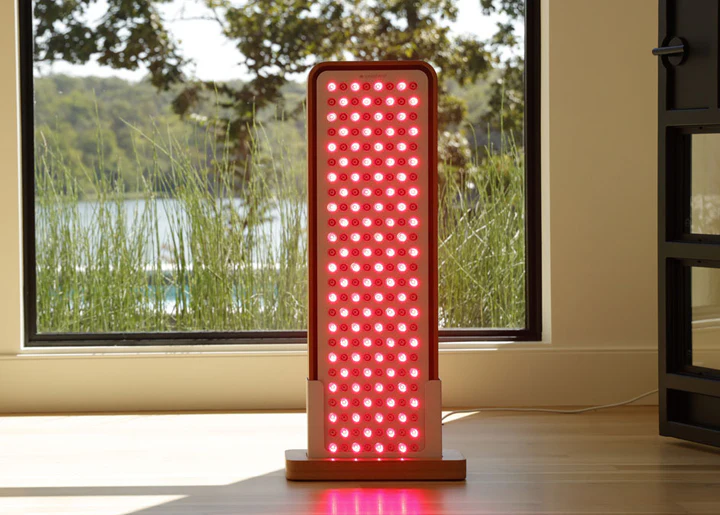
Red Light Therapy
Red light therapy uses specific wavelengths of red and near-infrared light to support cellular energy production, tissue repair, skin health, and recovery at the mitochondrial level. Clients choose red light for its non-invasive, time-efficient benefits, often integrating it into daily routines to support recovery, joint health, sleep quality, and overall vitality. Sessions typically range from 10–20 minutes, require minimal preparation, and pair exceptionally well with sauna or cold plunge as part of a broader recovery and longevity protocol.
Hydra exclusively installs premium red light panels from Sunlighten, selected for their clinically informed wavelengths, build quality, and seamless integration into home wellness spaces.
Red Light vs. Infrared
Red light therapy delivers targeted wavelengths to support cellular repair and recovery without significantly raising body temperature, making it ideal for short, frequent sessions. Infrared sauna uses heat to raise core temperature and induce sweating, driving whole-body benefits like detoxification, cardiovascular conditioning, and deep relaxation—often complementing red light rather than replacing it.

Red Light by the Numbers
Red and near-infrared light have been shown to significantly increase mitochondrial ATP output by 200%, supporting energy, healing, and tissue repair.
The red and near-infrared wavelength ranges most commonly used to support cellular repair, circulation, and recovery.
The recommended redlight therapy session to achieve the therapeutic benefits without overstimulation is 10-20 minutes.
Near-infrared light can penetrate up to ~50 millimeters into tissue, supporting deeper muscle, joint, and connective-tissue recovery.
Explore the Research

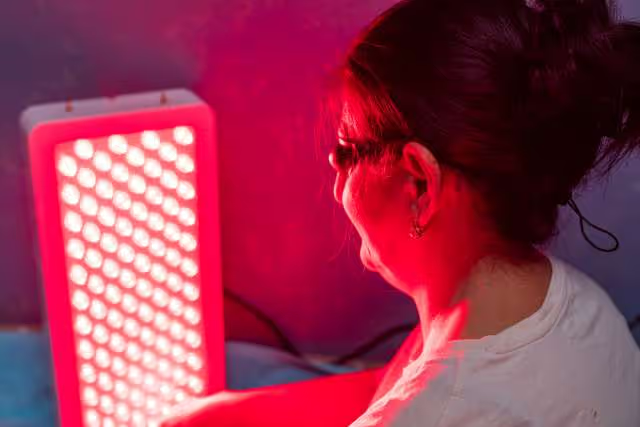


Trusted perspectives on why redlight therapy remains one of the most enduring and effective tools for longevity, recovery, and resilience. Articles are shared for reference and inspiration; all content remains the property of their respective publishers.